Not enough playtests, too late
I tested the level myself but didn't playtest with real players early or often enough. Issues with readability and progression that a single session would have caught stayed invisible until very late in development.
Horror game project where a dangerous monster chases the player through an isolated town.
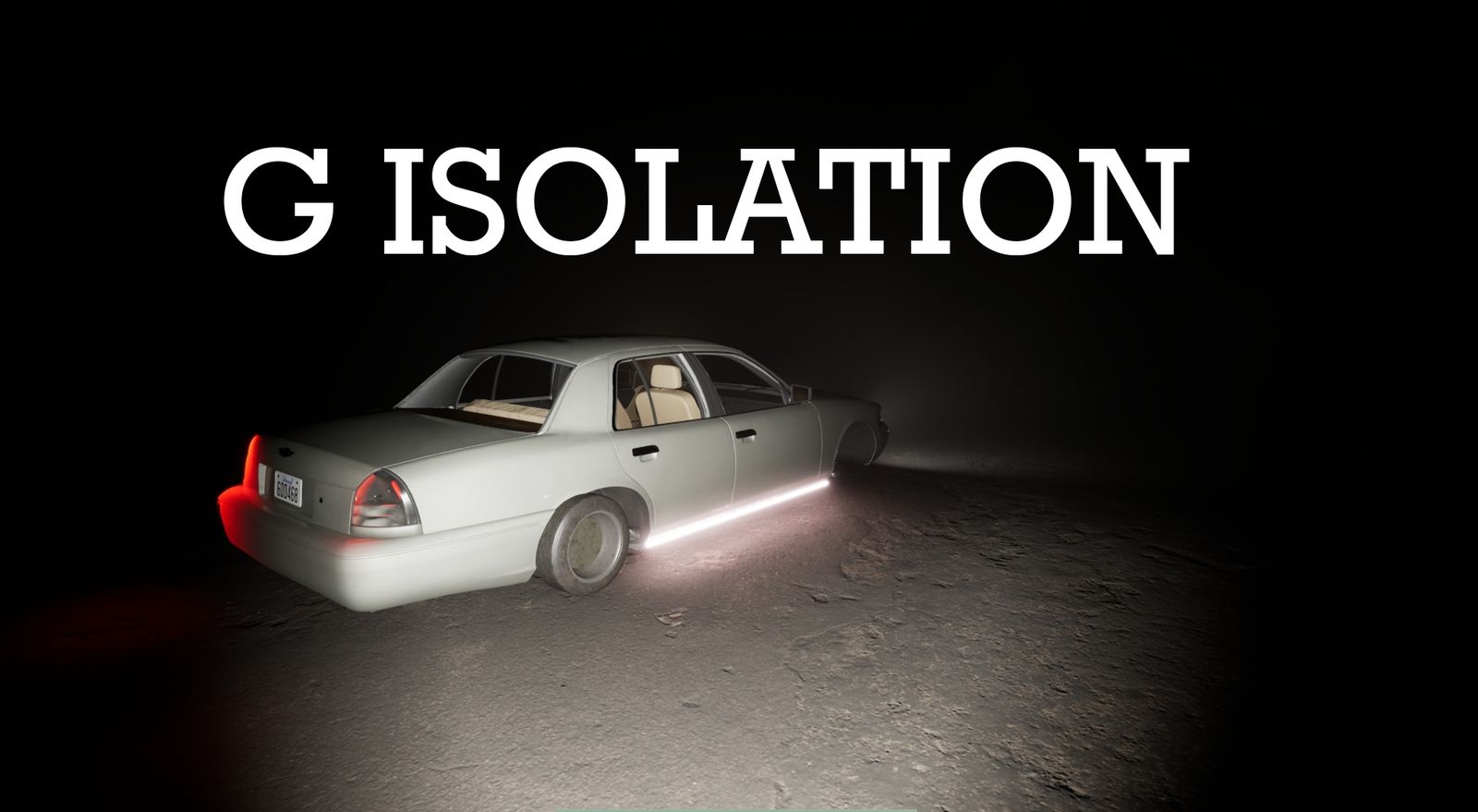
G Isolation is a first-person horror game where the player must find 4 car wheels scattered around a village to escape the town. A dangerous monster hunts the player throughout the city.
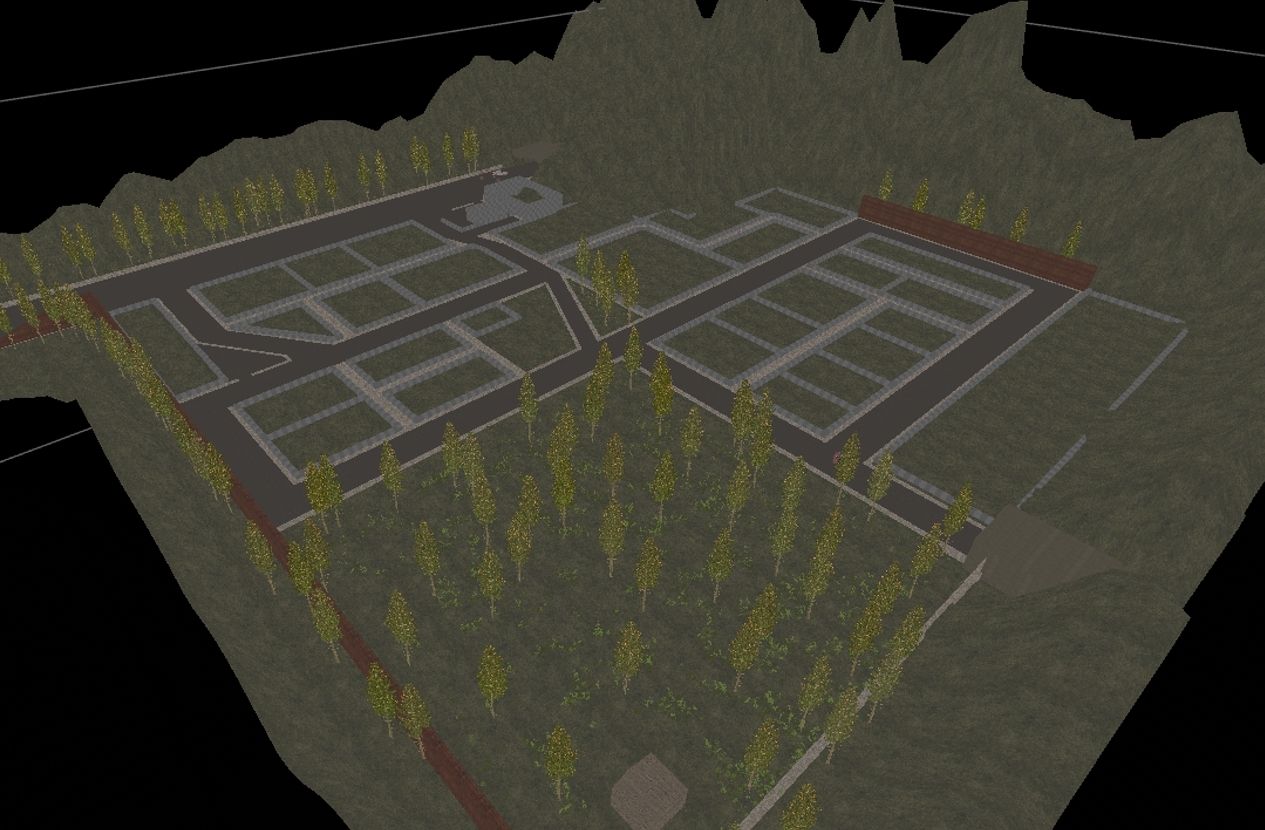
Level overview:
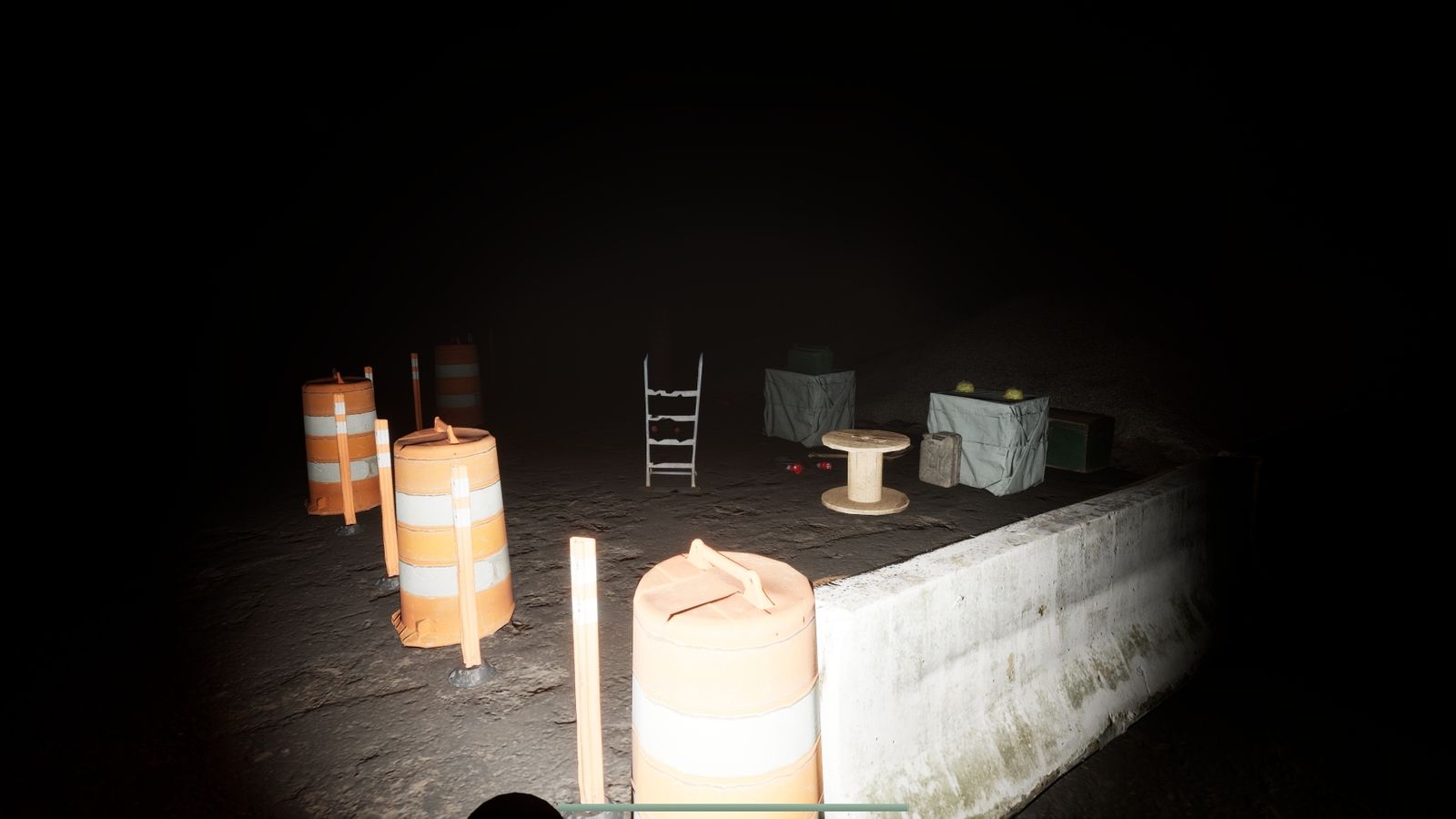
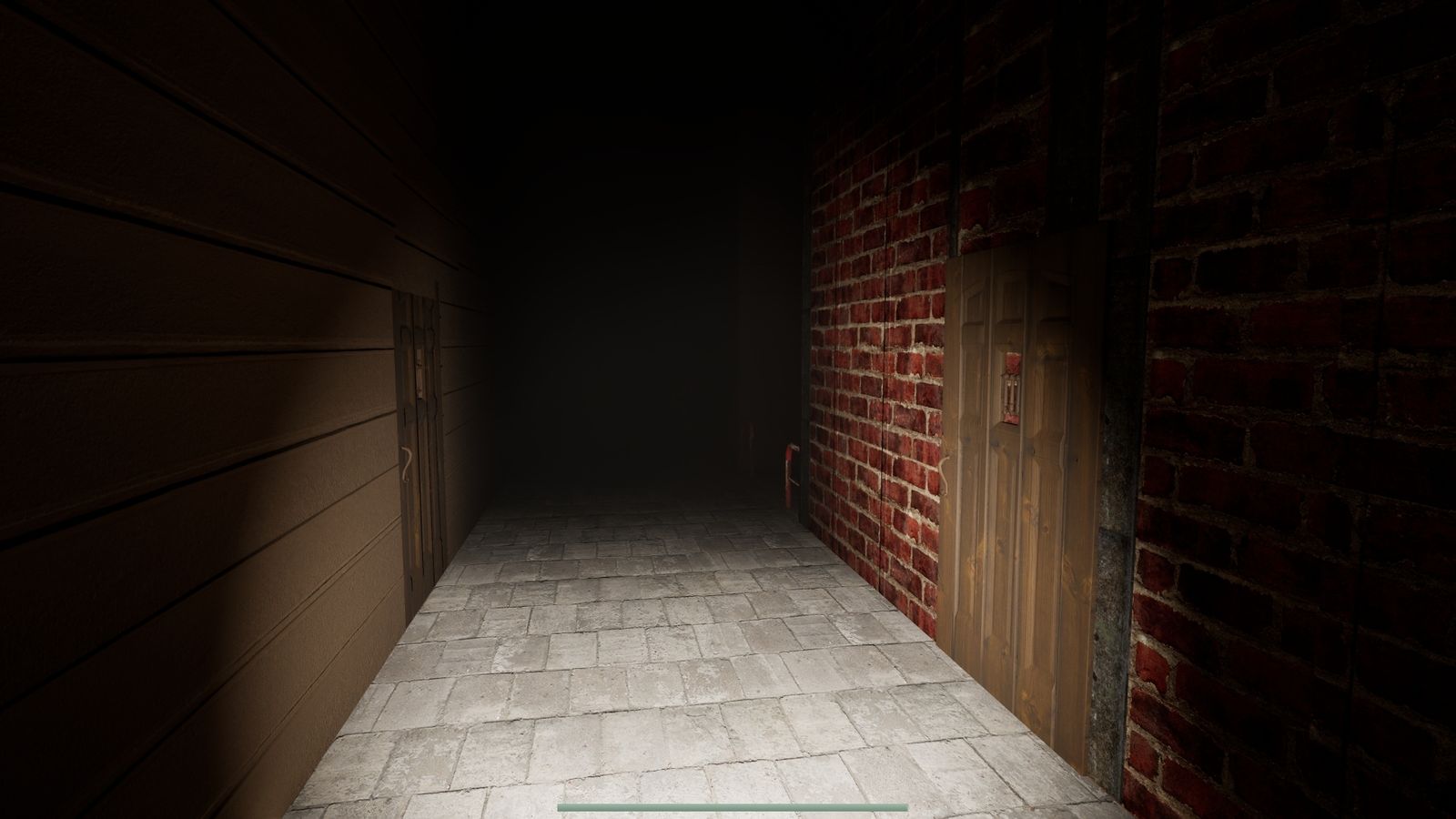
The objective was to create a small city that could support exploration, tension, and player orientation. I had to think about streets, open areas, forest edges, and points of interest so the player could move through the space while still feeling vulnerable and lost inside the horror atmosphere.
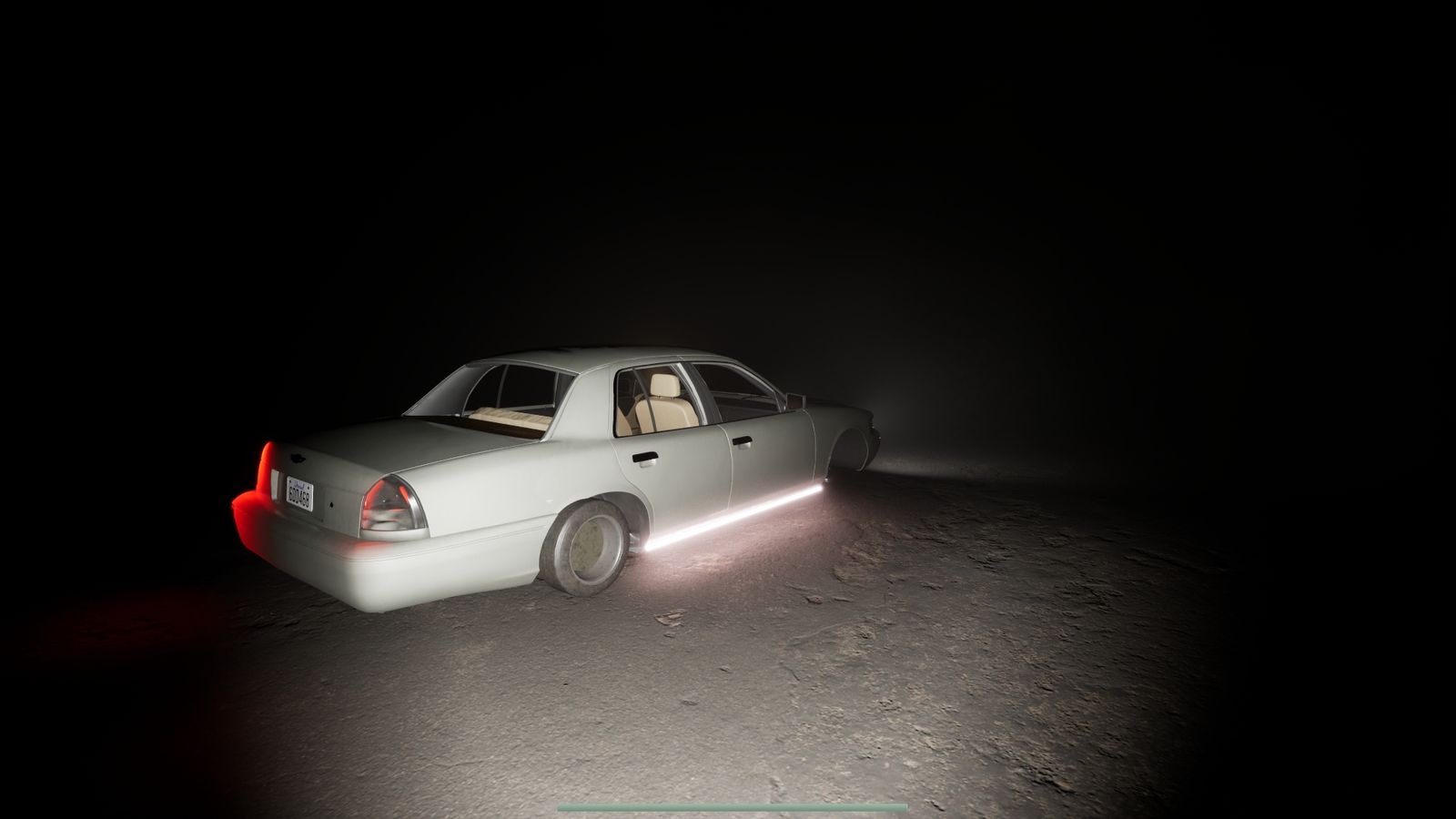
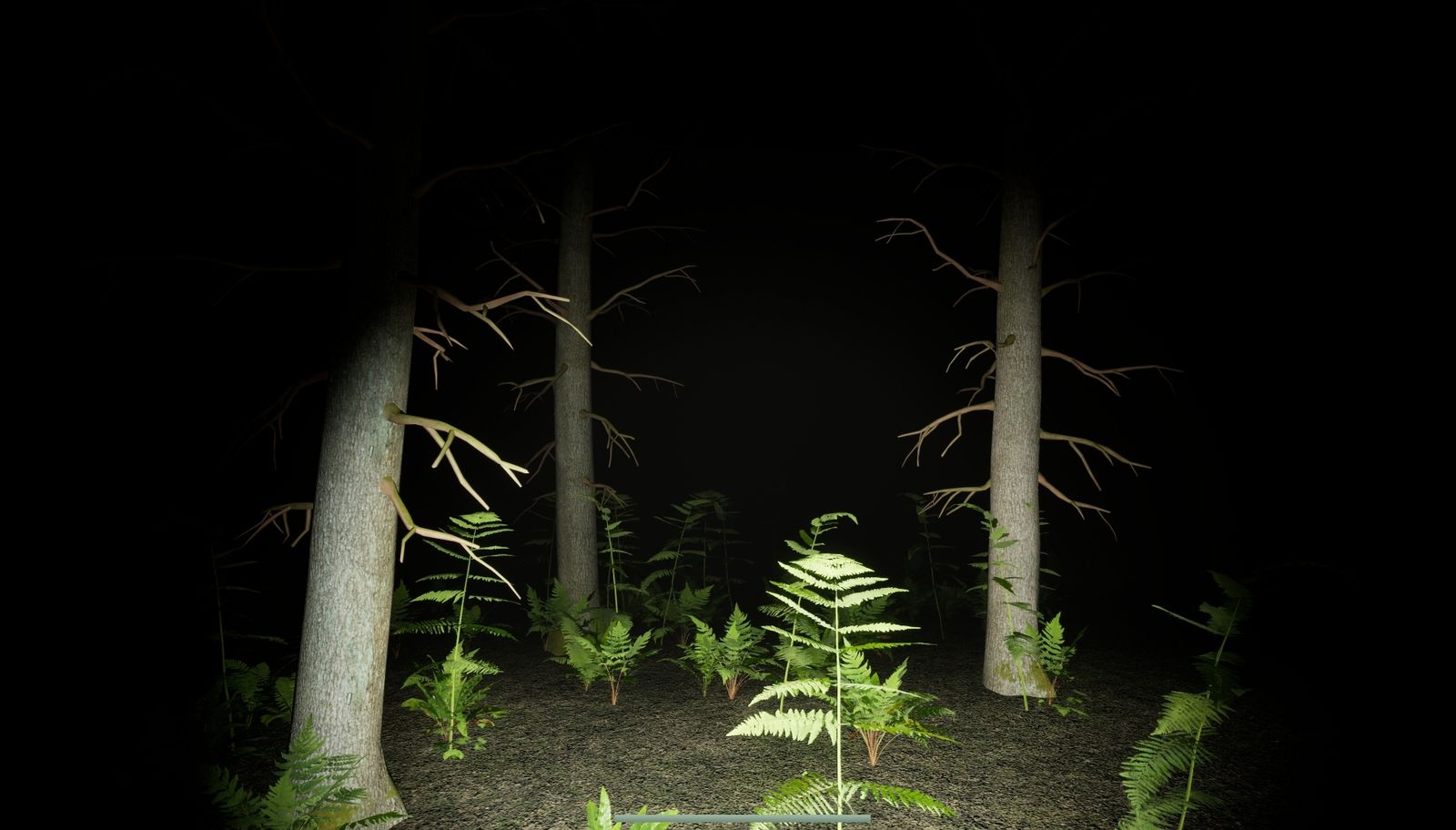
Design intention:
I wanted the environment to feel like a compact but believable isolated town, with enough structure to guide movement and enough darkness to create uncertainty.

Atmosphere objective:
My goal was to make the level feel strongly horrific through darkness, limited visibility, environmental contrast, and sudden visual threats.
The project helped me understand how lighting, props, path framing, and soundless anticipation can shape player emotion even with simple systems.
Playtest process:
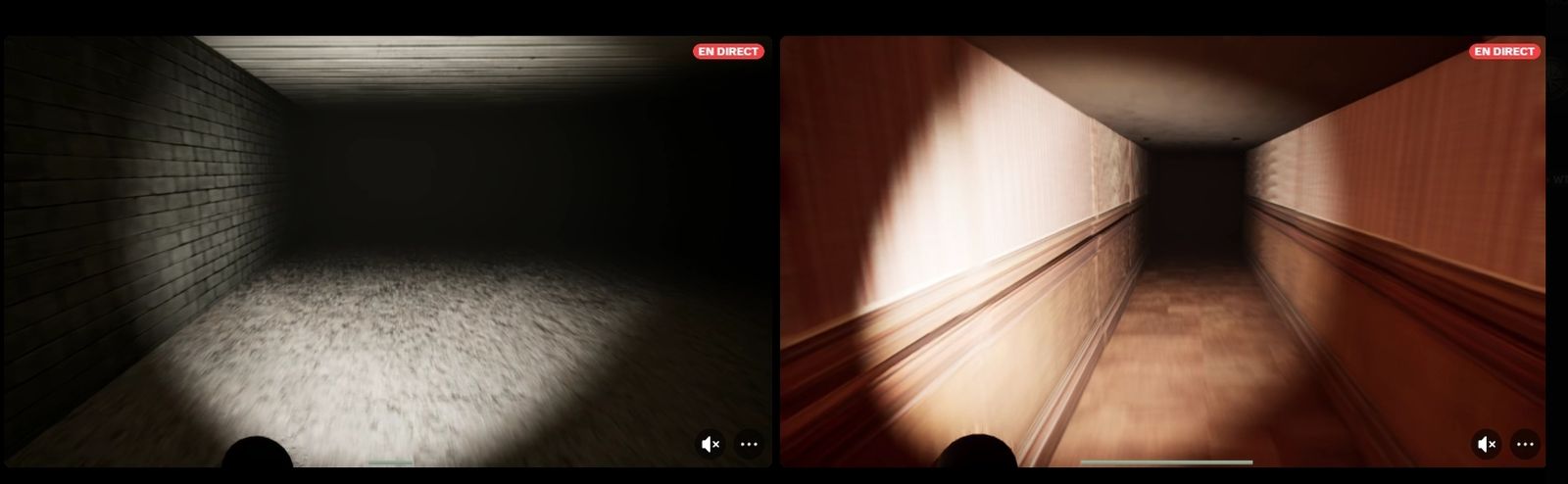
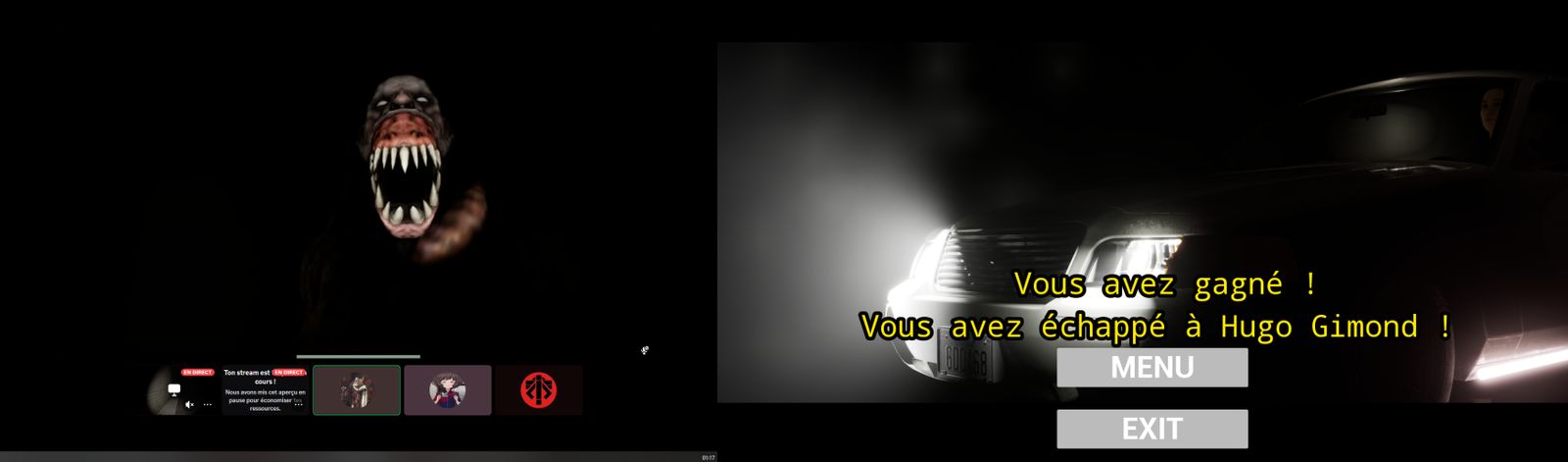
I had the project tested several times, which helped me identify level design mistakes and check whether the game was understood as intended.
These playtests helped me evaluate readability, accessibility, pacing, and whether the horror experience remained fun for my friends instead of becoming frustrating or confusing.
I tested the level myself but didn't playtest with real players early or often enough. Issues with readability and progression that a single session would have caught stayed invisible until very late in development.
G Isolation was one of my first times building interactive gameplay systems in Blueprint. Applying tutorials directly to a running project, car wheel objectives and monster logic, made the knowledge concrete and reusable.
The playtests I did run showed me how to read player behavior: where they hesitated, what confused them, what scared them without frustrating them. That kind of feedback analysis became a core part of how I iterate.