← Back to Older Projects
Team Project

Iudicium Finale

Team game jam project inspired by Papers, Please, built around rule-based judgment and player decisions.

Game DesignProducer RoleGodotGame JamTeam of 5
RoleGame Designer, Producer, Illustrator
EngineGodot
GenrePapers, Please-like
Type3-day game jam

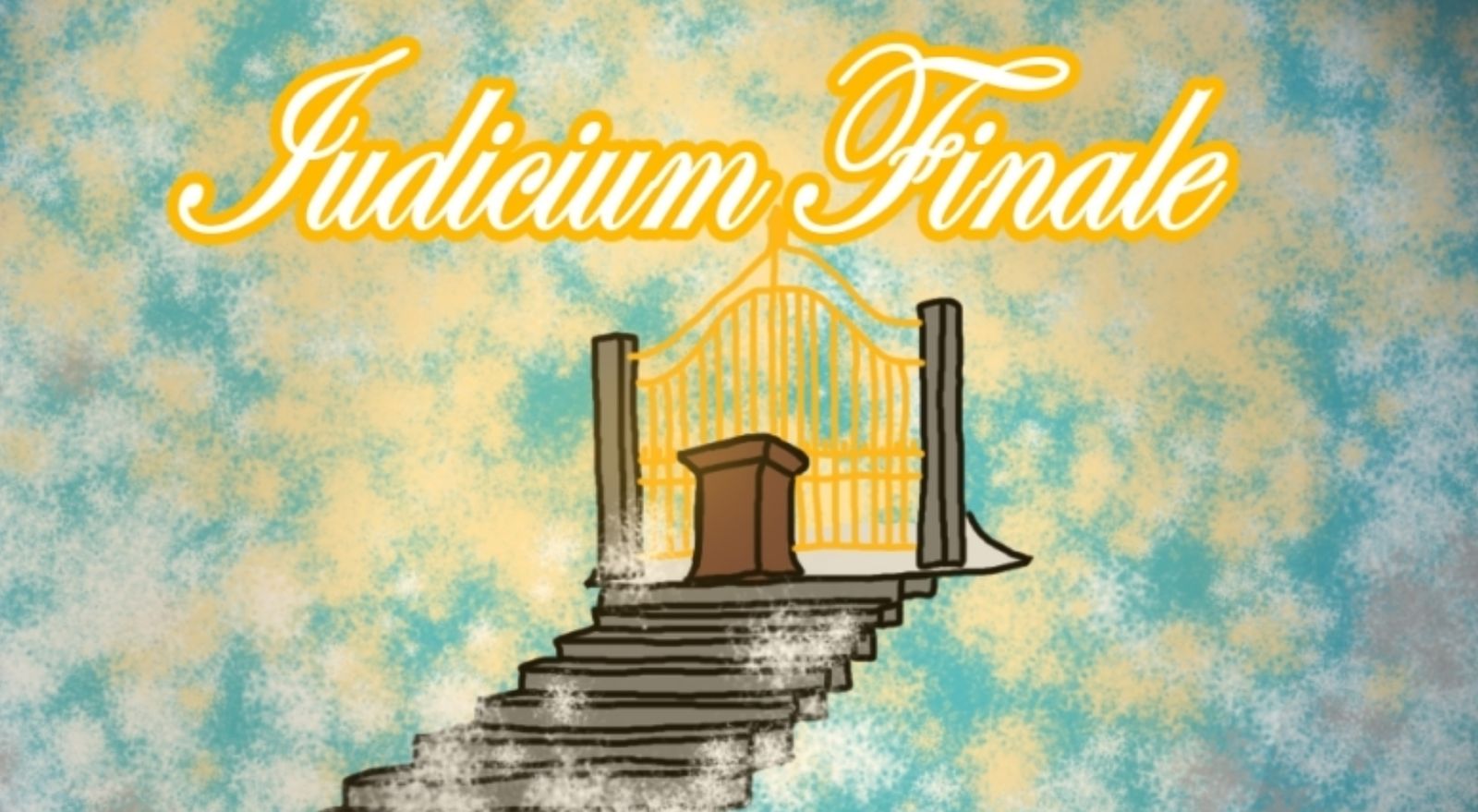
Iudicium Finale

Iudicium Finale was created during a 3-day game jam organized by Gamagora students during the October 2025 holidays. To match the Halloween theme, the team worked around the idea of death and final judgment.

The goal was to design a simple but polished game that could realistically be completed within the deadline. The result became an internal "Saint Peter Papers, Please": the player studies characters, objects, and information, then decides whether each soul deserves heaven or hell.

Genre
Papers, Please-like / Decision Game
Type
3-day game jam
Engine
Godot
Tools
Game design, Excel documentation, Word references, illustration, QA tracking
Role
Game Designer, Producer, Illustrator
Team size
5 people
Iterations
3
Playtests
1 final jam QA/playtest pass

Game Jam Production & Design Highlights

Core concept:

The player must judge each character by reading their information and interpreting the objects linked to them. The player can only inspect a few objects placed in front of them, and through dialogue must decide whether the character goes to heaven or hell.

Producer Role & Team Coordination

Alongside my role as game designer, I improvised as a producer by acting as a communication bridge between the design team and the programming team.

I regularly checked programming progress, asked questions when technical issues appeared, and made sure constraints were understood by the design team. At the same time, I communicated the design vision, gameplay intentions, and project priorities to the programmers.

Clear Excel documents helped the team stay aligned. This organization allowed us to move efficiently and deliver a finished, functional game within the given timeframe.
System Design & Documentation

Although I was not the narrative designer, I designed tools that made the design team's work clear and immediately usable for programming.

We created an Excel document gathering all characters, information sheets, objects, clue importance, and whether each element pointed toward heaven or hell. A Word document centralized ID references to connect narrative data with implementation.

This structure allowed the design team to create ten characters with precise descriptions and objects, while giving programmers a coherent production-ready system.

PDF preview unavailable. Use the button below to open the document.

Illustration & Visual Production
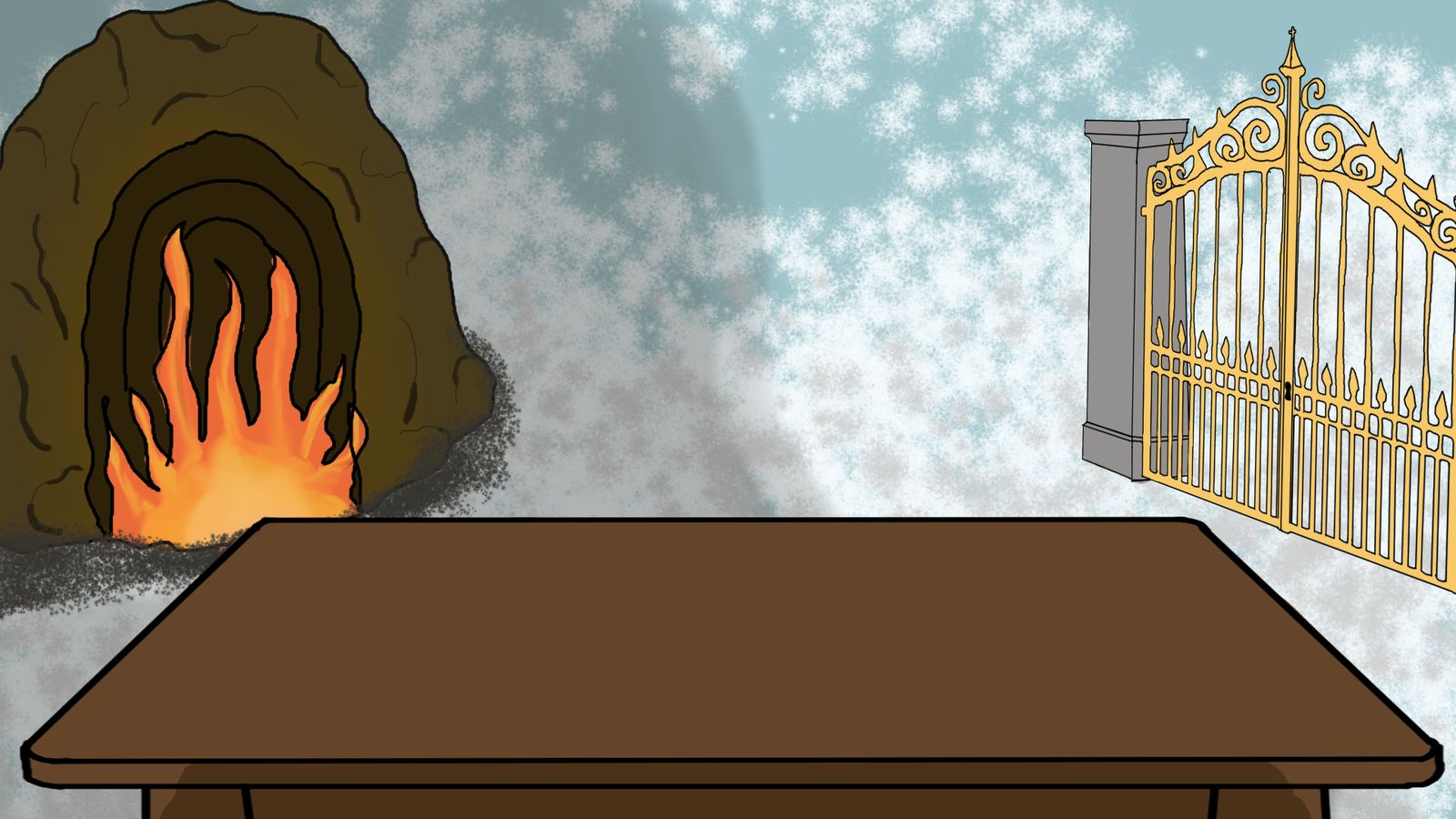
Iudicium Finale heaven and hell game interface
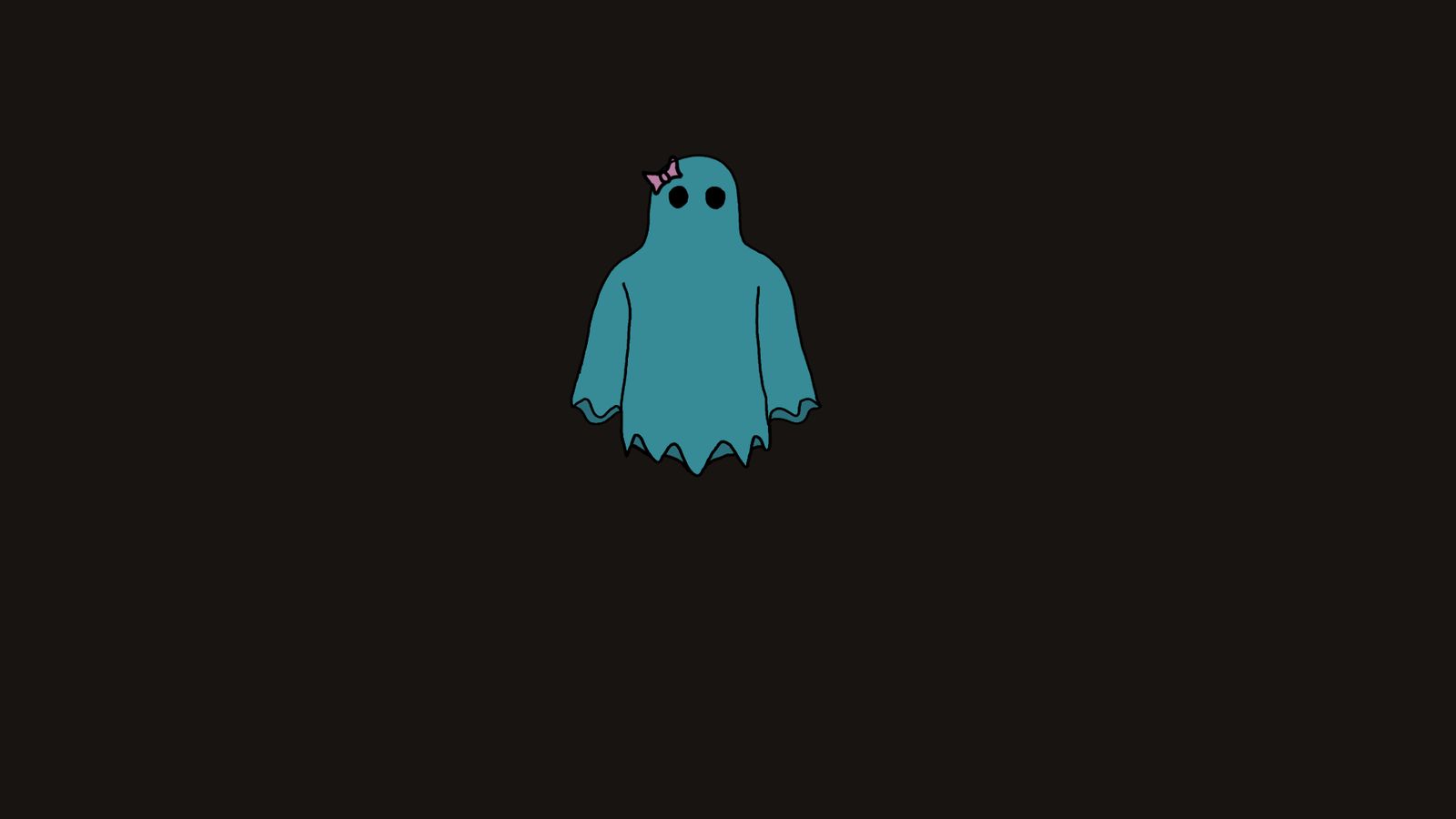
Ghost girl illustration made for Iudicium Finale
Old ghost illustration made for Iudicium Finale
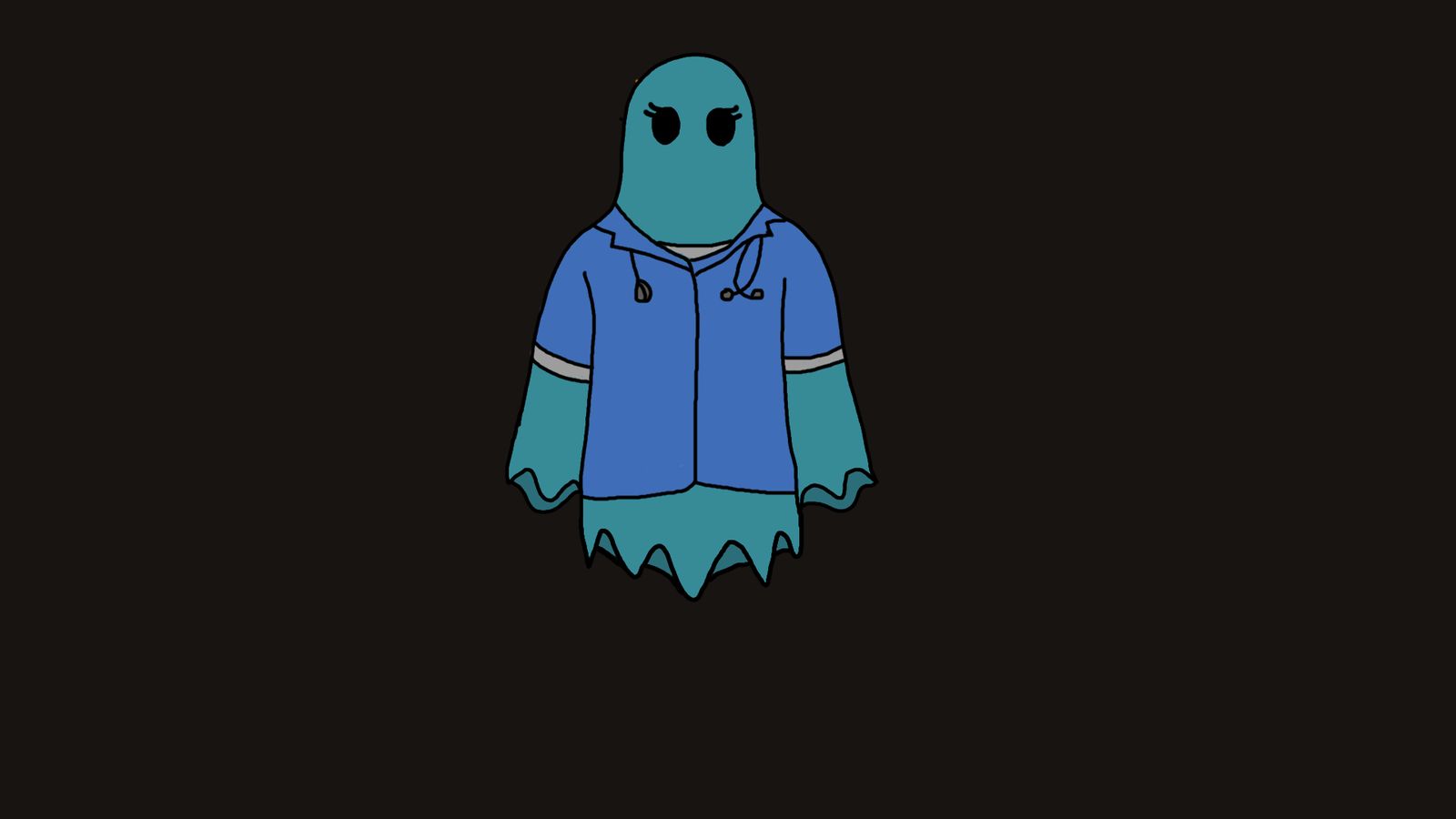
Nurse ghost illustration made for Iudicium Finale

Because there was no dedicated artist in the team, I took an additional responsibility as illustrator to avoid slowing production or relying on online assets.

I created the interface, illustrations, and visual assets used in the game. This helped keep the visual direction coherent while showing my ability to stay versatile, multitask, and react quickly when production needs changed.

I also organized art requests through an Excel document so the team could track what was needed, what was in progress, and what was already delivered.

PDF preview unavailable. Use the button below to open the document.

QA Test & Final Polish

Thanks to realistic objectives and strong organization, we finished the game before the end of the jam. This gave us time for a QA pass, which is uncommon in short game jams.

The design team quickly identified bugs and recorded them in an Excel document to structure follow-up with the programming team. By the end of the jam, the game was fully finalized and did not require additional rework.

This was praised by the participants, who highlighted that our game felt truly finished.

PDF preview unavailable. Use the button below to open the document.

What I Learned
Team Organization, Communication, and Versatility

Organizing a team over three days showed me that structure is a design tool

Leadership

Producer role: bridging design and programming

Improvising as a producer taught me how much communication costs when it is missing. Regularly relaying priorities, constraints, and intentions between the design and programming teams kept the project moving without friction.

Organization

Documentation aligned the team without wasting time

Excel character sheets and Word ID references made the design team's work immediately usable by programmers. This let us build ten complete characters and a coherent decision system in three days.

Versatility

Taking the illustrator role avoided a production dependency

With no dedicated artist in the team, I took on the interface and character illustrations rather than slowing production. Organizing art requests in a tracker gave everyone visibility on what was needed, in progress, and delivered.

Next ProjectExlab_PView case study →